which fasting is good for weight loss Fasting intermittent benefits
Intermittent fasting has become a popular weight loss technique in recent years, with many people reporting success in shedding unwanted pounds. One particular approach to intermittent fasting that has gained traction is metabolic fasting. This technique involves cycling between periods of fasting and eating in order to jumpstart your metabolism and promote weight loss. If you’re looking to lose 40 pounds or more, metabolic fasting might be worth considering. However, it’s important to approach this technique safely and mindfully. Here are some key things to keep in mind as you embark on your metabolic fasting journey. First and foremost, it’s important to consult with your healthcare provider before trying any new diet or exercise regimen. This is especially crucial if you have any underlying health conditions that may be affected by changes in your eating habits. Your healthcare provider can help you assess whether metabolic fasting is a safe and appropriate option for you. Assuming you’ve gotten the green light from your healthcare provider, it’s important to understand the basic premise of metabolic fasting. Essentially, this technique involves cycling between periods of eating and fasting. During your eating periods, you’ll want to focus on nutritious, low-calorie foods that will keep you feeling full and energized. During your fasting periods, you’ll abstain from food entirely (though you can drink water, coffee, and other low-calorie beverages). One common approach to metabolic fasting is the 16:8 method. This involves fasting for 16 hours each day and eating within an 8-hour window. For example, you might eat between 12pm and 8pm each day and then fast until noon the following day. This approach can be effective for weight loss because it limits the window in which you consume calories. Another approach to metabolic fasting is the 5:2 method. This involves eating normally for five days each week and then limiting your calorie intake to 500-600 calories per day on two non-consecutive days. This approach can be effective for weight loss because it creates a calorie deficit without requiring you to fast for extended periods of time. Of course, no weight loss technique is foolproof. It’s important to approach metabolic fasting with realistic expectations and a willingness to make long-term lifestyle changes. It’s also important to listen to your body and adjust your fasting and eating periods as needed. If you feel weak or lightheaded during your fasting periods, for example, it may be necessary to scale back or adjust your approach. All in all, metabolic fasting can be an effective weight loss technique if approached safely and mindfully. Remember to consult with your healthcare provider, focus on nutrient-dense foods, and listen to your body as you embark on your metabolic fasting journey. With consistency and dedication, you may find yourself shedding those 40 pounds (or more!) in no time.
If you are searching about Intermittent Fasting: How To Best Use It For Weight Loss (5 Simple Steps) you’ve visit to the right web. We have 5 Pics about Intermittent Fasting: How To Best Use It For Weight Loss (5 Simple Steps) like Pin on Weight Loss, Pin on lose weight fast and also Intermittent Fasting: How To Best Use It For Weight Loss (5 Simple Steps). Read more:
Intermittent Fasting: How To Best Use It For Weight Loss (5 Simple Steps)
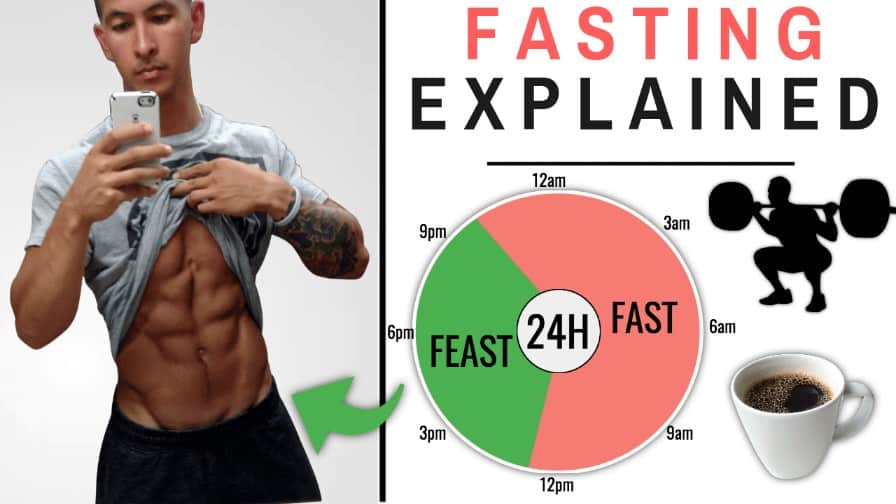 builtwithscience.comfasting intermittent loss weight fat diet thumbnail use close
Intermittent Fasting For Weight Loss - Diet Plan
 www.dietplanlist.comfasting intermittent benefits
How To Lose 40 Pounds Or More On This Intermittent Fasting Diet
 upgradedhealth.netfasting metabolic intermittent
Pin On Lose Weight Fast
 www.pinterest.comfasting weight intermittent
Pin On Weight Loss
 www.pinterest.cafasting intermittent plan weight diet loss 16 meal lose schedule fast food eat plans meals losing fitwirr fat healthy victoria
Pin on weight loss. Intermittent fasting: how to best use it for weight loss (5 simple steps). Fasting weight intermittent